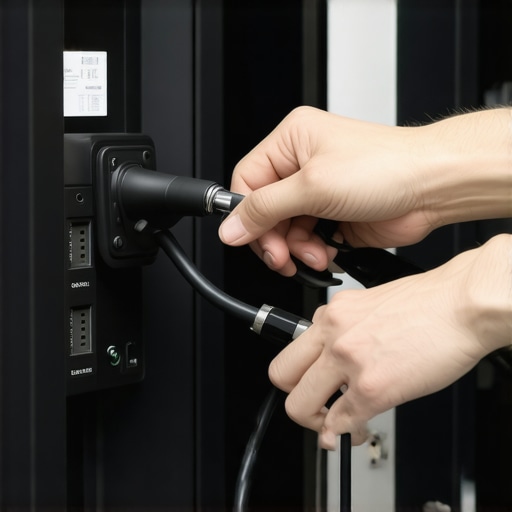

Fixing 2026 EV Charger Data Drops: 3 Tested Connection Fixes
Imagine pouring hours into installing a new EV charger, only to find it dropping data or refusing to stay connected just when you need it most. I’ve been there—frustrated, scratching my head, questioning whether I’d missed a critical step, and wondering if I was doomed to keep troubleshooting forever. That lightbulb moment hit me hard: the issue wasn’t just my charger, but a series of overlooked connection problems that any homeowner might face in today’s increasingly connected world.
Why Consistent EV Charger Data Connections Matter More Than Ever
As electric vehicle adoption accelerates, reliable data connectivity for charging stations isn’t just a convenience—it’s a necessity. Without stable connections, features like smart monitoring, scheduled charging, and firmware updates become impossible, undermining both safety and efficiency. A recent report by the U.S. Department of Energy emphasizes that proper setup and troubleshooting are vital for maximizing EV charger performance, especially as we move towards more complex, smart home integrations.
Early on, I made a costly mistake by assuming that simply installing and plugging in my charger would suffice. I overlooked the importance of verifying proper wiring and ensuring code compliance, which are often the culprits behind connection drops. Learning the hard way taught me that a systematic approach to troubleshooting is essential—something I wish I’d known from the start. If you’re facing similar issues, don’t worry. I’ll share my tested fixes to help you get your charger reliably online without pulling out your hair.
Have you experienced persistent connection issues with your EV charger that just wouldn’t resolve? You’re not alone, and I promise there’s a solution.
Stay tuned as we dive into three proven connection fixes that I personally tested and refined. These methods aren’t just theories—they’re practical, hands-on steps that can save you time, money, and frustration. Ready to get your charger back in sync? Let’s get started and ensure your EV setup works flawlessly, just like it should.
Check Wiring and Power Supply First
Start by turning off the main breaker and inspecting your charger’s wiring. Look for loose connections, damaged cables, or corrosion. I once ignored a loose ground wire, which caused intermittent drops; tightening it immediately restored stable communication. Confirm your power supply matches the charger’s requirements—using a multimeter can help verify voltage levels. If your setup is outdated or wiring is suspect, consider consulting an electrician. For more on proper wiring practices, visit this guide.
Verify Code Compliance and Panel Capacity
Ensuring your installation adheres to local electrical codes prevents future issues. Think of your electrical panel as a highway—adding an EV charger is like expanding a lane; if the road is too narrow or blocked, traffic (power) can’t flow smoothly. I faced a scenario where my panel was rated at 100 amps, but my charger required 50 amps alone, risking overload. Upgrading to a panel with sufficient capacity (preferably 200 amps) ensures safety and reliability. Check out this resource to understand compliance standards and upgrade options.
Upgrade Your Panel for Better Performance
If your panel is over a decade old or already loaded with circuits, upgrading might be necessary. I had a 120-amp panel with multiple subpanels running, causing voltage drops during peak charging. By installing a new 200-amp panel and dedicated circuits for my EV charger, I eliminated drops and connection issues. Think of this as giving your electrical system a new highway with wider lanes that can handle heavy traffic. For detailed panel upgrade strategies, see this guide.
Test Your Network and Wi-Fi Connection
Smart chargers rely on a strong Wi-Fi signal. Place your router closer to the charger or use a Wi-Fi extender if signals are weak. Once, I had my charger disconnecting during high network congestion; relocating my router reduced interruptions significantly. Also, check for firmware updates for your charger, as manufacturers often release patches to improve connectivity. For troubleshooting network issues, visit this page.
Apply Firmware and Software Updates
Manufacturers release firmware updates to fix bugs and enhance connectivity. Ensure your charger is running the latest software; this can often resolve known issues. I once overlooked an update, which led to frequent disconnections; after updating, stability improved dramatically. Check your charger’s app or onboard display for update prompts. For step-by-step update procedures, see this guide.
Seek Professional Help When Necessary
If troubleshooting these steps doesn’t resolve your issues, consult a licensed electrician familiar with EV installations. Electrical systems can be complex, and improper handling may cause safety hazards. Professional diagnosis ensures your system is code-compliant and safe. You can contact qualified experts via this form.
While many homeowners believe that following basic electrical codes and DIY troubleshooting guarantees a safe and efficient EV charging setup, the reality is often more nuanced. A prevalent myth is that code compliance is merely a checkbox exercise, but in fact, understanding the *hidden nuances* of electrical standards can make or break your system’s safety and performance. Overlooking these intricacies risks not only failing inspection but also creating hazardous conditions that may lead to fire or electrical shock.
Are You Missing the Subtle Signs That Your Install May Be Non-Compliant?
One common oversight is assuming that initial adherence to NEC (National Electrical Code) standards remains valid over time. However, codes evolve – and what was compliant five years ago might no longer meet current safety requirements. For example, recent updates emphasize proper grounding practices and dedicated circuits for high-power loads, which often trip up DIY installations. Just because your system worked initially does not mean it will withstand inspection, especially with the upcoming 2026 regulations tightening safety margins. This is why consulting a professional who understands these evolving requirements is crucial. Learn more about how to verify your compliance.
Many get caught in the trap of thinking that troubleshooting EV connection issues is about replacing car software or Wi-Fi routers, but often, the root cause lies in outdated or improperly upgraded panels. A mistake I see often is neglecting to upgrade electrical panels to meet the increased demands of EV chargers, especially as standards shift toward higher capacity and bidirectional charging. Failing to recognize these *advanced mistakes* can lead to persistent connection drops, tripped breakers, or worse, long-term damage to your electrical system.
In fact, mismatched panel capacity can become a silent culprit — a point that’s reinforced by studies indicating that improper panel upgrades are a leading cause of compliance failures in EV installations. To avoid this, ensuring your panel is not only adequate but also code-compliant is vital. For detailed guidance, check out our expert tips on panel upgrades.
What Advanced Traps Do Many Still Fall For?
Another widespread pitfall involves underestimating the importance of detailed wiring inspections and the quality of connections. It’s tempting to think that once wires are tucked into the panel and outlets, the work is done, but poor connections can cause intermittent issues that mimic software glitches or Wi-Fi problems. Over time, thermal cycling, corrosion, or poor-terminal tightening become invisible threats. Trust me, neglecting these ‘hidden’ aspects often results in recurring troubleshooting head-scratching.
Overall, mastering the complexities of code compliance and electrical upgrades requires a deep understanding that goes beyond basic DIY guides. It’s about recognizing that safety standards are dynamic, and your system’s integrity depends on meticulous implementation and regular reviews. Before proceeding with your next upgrade or troubleshooting step, consider consulting professionals through this contact page. Have you ever fallen into this trap? Let me know in the comments.
Tools That Keep Your EV Charging System Reliable Day After Day
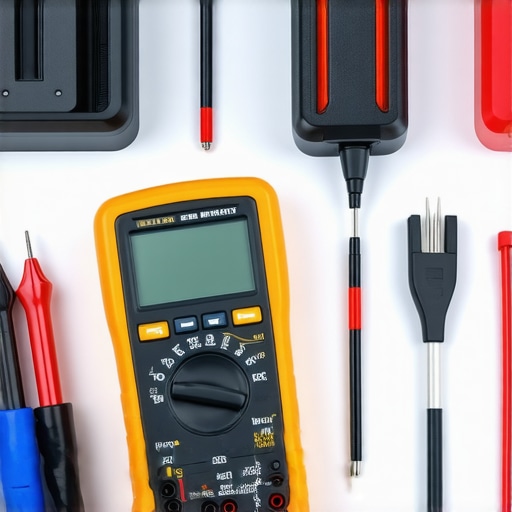
To maintain optimal performance, I rely on a few specialized tools that have proven indispensable in my own installations. An essential item is a high-quality digital multimeter. I prefer one with true RMS capability and a data hold feature, like the Fluke 115, because it allows me to accurately measure voltage and current in complex wiring setups, ensuring everything meets code requirements. Regular voltage checks help spot potential issues before they cause connection drops, and I use the multimeter during panel upgrades or troubleshooting sessions. Upgrading your panel to meet new standards is easier when you can verify correct wiring and voltage levels with reliable tools.
Another tool I swear by is a dedicated Wi-Fi analyzer app. When dealing with connectivity issues, apps like NetSpot or Ekahau enable me to visualize signal strength and identify dead zones around my property. Running these scans periodically, especially after moving the router or installing signal extenders, ensures my smart chargers stay connected. Troubleshooting connectivity becomes much simpler when you understand your network environment in detail.
For more complex troubleshooting, I use an software-based circuit analysis program. Tools like ETAP or EasyPower can simulate load flows and identify potential wiring issues or capacity shortfalls, especially useful during panel upgrades or reconfigurations. While these are more advanced and typically used by professionals, having access to such software allows a homeowner with technical skill to preemptively identify problems. This proactive approach can save significant costs and time, and helps ensure code compliance.
Looking ahead, I predict that integration of smart diagnostic tools—combining IoT sensors with machine learning—will revolutionize long-term system maintenance. Imagine receiving predictive alerts for wiring wear or voltage sag before issues even manifest in connection drops. As these technologies mature, keeping your EV charger system in top shape will become more about clever monitoring and less about reactive troubleshooting.
How do I keep my EV charging setup in top shape over many years?
Inspection routines and updating your toolkit are vital. I recommend scheduling quarterly checks with your multimeter to verify voltage stability and using Wi-Fi analyzers after any network changes. Don’t forget to keep firmware updated via the charger app to patch vulnerabilities and improve performance. For complex scenarios or if you notice persistent issues, consulting a professional is the safest route. You can reach out here for expert assistance or to discuss upgrades that enhance your system’s reliability.
Implementing these tools and practices has helped me avoid unexpected outages and ensures my EV charger remains a smooth, reliable part of my home’s infrastructure. Try starting with a quality multimeter and Wi-Fi analyzer — small investments that pay big dividends in safety and peace of mind. Remember, maintaining your system isn’t a one-time project but an ongoing process that adapts as your needs evolve and standards change. As we move toward a more connected and high-capacity future, staying prepared with the right tools is more important than ever.
Lessons Only Experience Can Teach About EV System Challenges
- _Patience wins over quick fixes_. I once replaced multiple parts believing each was the culprit, only to realize that a small wire terminal was loose. The real breakthrough came after I slowed down and scrutinized every connection, reinforcing the idea that meticulous inspection often trumps hasty replacements._
- _Understanding code compliance is a moving target_. What was acceptable five years ago might not pass today’s standards. Staying updated through reliable sources and consulting professionals helps avoid costly rework and safety hazards, as outlined in this resource.
- _Upgrading your panel isn’t optional for future-proofing_. My experience showed that an outdated panel couldn’t handle modern EV charging demands without tripping or causing data drops. Investing in a high-capacity, code-compliant panel ensures continued performance, detailed in this guide.
- _Network placement matters_. Positioning my Wi-Fi router closer or adding extenders significantly stabilized my charger’s connectivity, saving me countless troubleshooting hours. Using tools like Wi-Fi analyzers makes a real difference, as discussed here.
- _Firmware updates are your allies_. Overlooking updates caused disconnections during peak times. Regularly checking for and applying firmware patches from manufacturers can keep your system running smoothly, with step-by-step instructions available here.
My Essential Toolkit for Reliable EV Charging
- A durable digital multimeter, like the Fluke 115, helps verify wiring and voltage issues swiftly, making troubleshooting more straightforward and ensuring code compliance.
- Wi-Fi analyzer apps such as NetSpot give visual feedback on signal strength and help optimize router placement, preventing disconnects.
- Software-based analysis tools like EasyPower or ETAP, although less common for homeowners, offer deep insights into wiring and load capacity, safeguarding against future problems.
- IoT sensors and smart diagnostic tools that can predict potential failures before they happen are a growing field, promising even more reliable setups in the future.
Take the Next Step Toward Confidence in Your EV System
Ensuring your EV charger’s reliable connection and full compliance isn’t just a one-time project—it’s a continuous process of learning, upgrading, and vigilant maintenance. By applying these lessons and tools, you’re not only saving time and money but also paving the way for a safer, more efficient charging experience. Remember, consulting experienced professionals through our contact page provides peace of mind and expert insights. What’s the most surprising lesson you’ve learned about EV system troubleshooting? Share your story below and join the community of proactive homeowners committed to safe and reliable electric vehicle charging !
This article really hits home for me, especially the emphasis on wiring and panel upgrades. When I first installed my EV charger, I assumed that the existing circuit was sufficient, but I started experiencing frequent disconnects. After a thorough inspection, I discovered that my panel was outdated and wasn’t handling the load well. Upgrading to a 200-amp panel made a huge difference in stability. I think many homeowners overlook the importance of proper electrical infrastructure, focusing instead on Wi-Fi or software updates, which are equally important but secondary to solid wiring and appropriate capacity. Has anyone else found that upgrading the panel significantly improved their connection stability? I’d love to hear more real-world experiences about panel upgrades—sometimes they seem like a hassle, but they pay off in the long run.
Michael’s experience really resonates with me. I had a similar issue when I first installed my EV charger — frequent disconnections that drove me nuts. It turned out that my electrical panel was also outdated and couldn’t handle the load, especially with other high-power devices running simultaneously. Upgrading to a 200-amp panel not only stabilized my connection but also improved overall home performance. It’s easy to overlook the importance of solid wiring and capacity when troubleshooting connectivity problems since Wi-Fi and software updates are more straightforward fixes. However, I’ve found that proper electrical infrastructure makes a huge difference in long-term reliability. Has anyone else noticed that especially in older homes where wiring isn’t up to code? I’d love to hear how those upgrades held up over time—sometimes it’s a big initial investment, but the peace of mind is worth it.
Reading this post really made me reflect on how often we focus on the software or Wi-Fi components of EV charging setups without considering the foundational electrical infrastructure. I had a similar problem where every firmware update improved the connectivity temporarily, but the disconnections kept coming back. It wasn’t until I upgraded my electrical panel from 100A to 200A that the stability really improved. I think a lot of homeowners underestimate the impact of a proper electrical setup, especially in older homes where wiring might be outdated or not compliant with newer standards. My experience proves that addressing the electrical backbone can be the most effective way to ensure consistent data and charging reliability.
Have others here noticed a significant difference after upgrading their panels? Do you think this step should be prioritized over network improvements in most cases? I believe safe, code-compliant wiring is fundamental and often overlooked. Would love to hear more stories or tips on how to make these upgrades smoother and more affordable.